
Adding a Heat Pump Water Heater During a Bay Area Kitchen or Bath Remodel
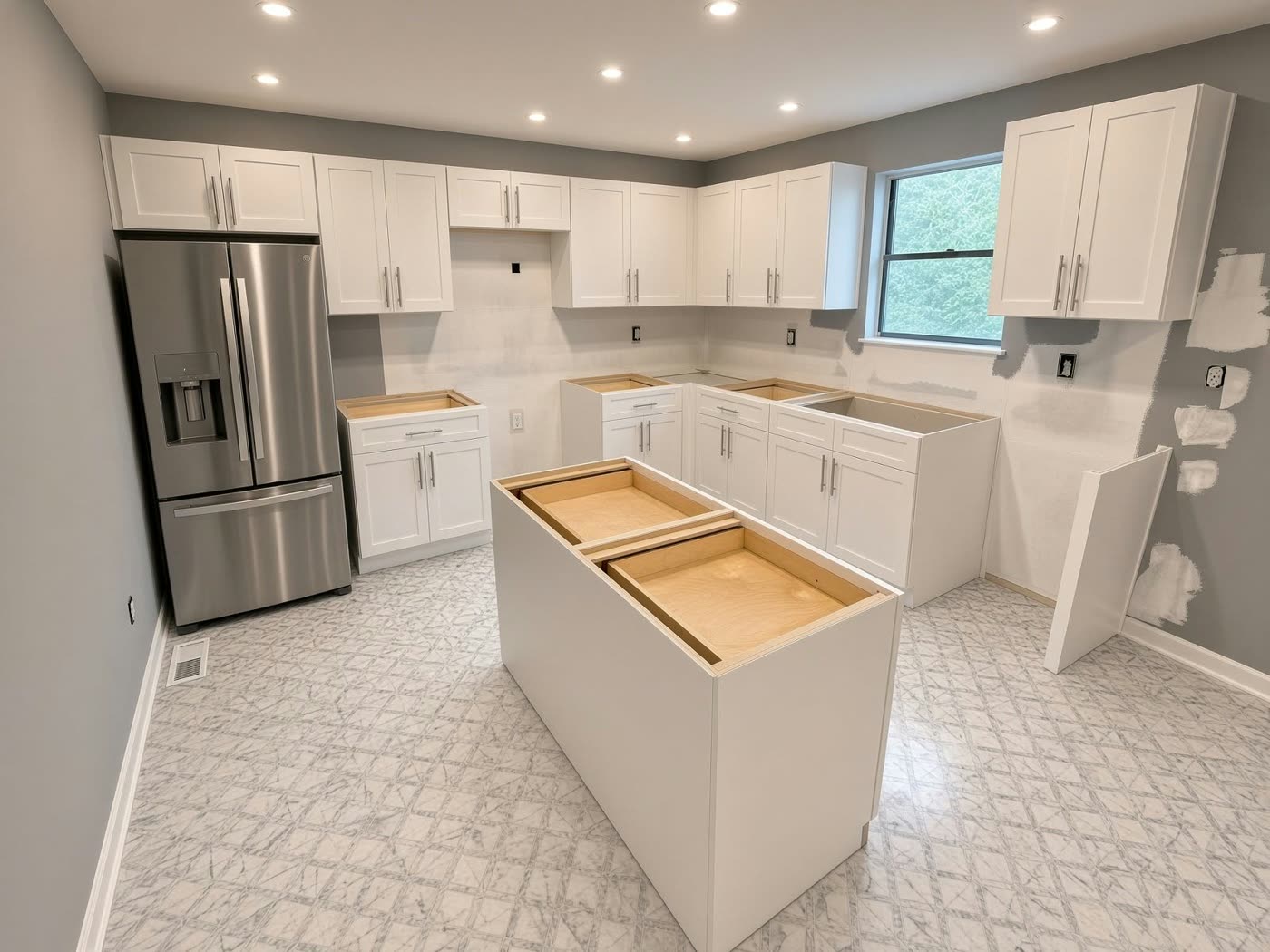
Why add a heat pump water heater during a kitchen or bath remodel?
A remodel is the easiest time to switch. Walls are open, an electrician is already on site and the permit is already in motion. Running a circuit or condensate line now beats doing it after the new tile goes in.
There's also a deadline in the background. The Bay Area Air Quality Management District (the Air District) says its Rule 9-6 sets a zero-NOx standard for new residential water heaters, which in practice points most homeowners toward heat pump models. If your gas tank is already a few years old, replacing it on your schedule beats replacing it on a cold Tuesday morning.
When does the Bay Area's zero-NOx water heater rule start?
Under the 2023 version of the rule, typical home tank water heaters manufactured after January 1, 2027 must be zero-NOx. The rule applies when a water heater is replaced. It doesn't force you to remove a working unit.
That date may move. On July 14, 2026 the Air District released draft amendments that would push the home water heater date to January 1, 2028. The draft also adds exemptions for low-income and cost-burdened owners, homes without enough space, and homes with electrical limits such as panels under 100 amps. The Board hearing is expected in November 2026, so nothing is final yet. Check the Air District's site before you plan around either date.
Do you have enough space and air for a heat pump water heater?
A heat pump water heater pulls warmth from the air around it, so it needs room to breathe. ENERGY STAR's installation guide says most traditional 240V models need at least 700 cubic feet of air space, and some need as little as 450. Smaller closets can work with a fully louvered door or a venting kit, depending on the model. Always follow the manufacturer's manual.
In most Bay Area homes the garage is the natural spot. One side effect: the unit exhausts cool air. In a Sunnyvale garage in August, that's a perk. In a foggy Daly City garage, where Karl the Fog already keeps things brisk, it's worth talking through placement so the unit isn't working in a chilly corner.
Expect a soft hum; rigid foam underneath and cushioned straps help.
Should you choose a 120V or 240V model?
| Feature | 240V model | 120V plug-in model |
|---|---|---|
| Circuit | Typically a 30-amp breaker with 10-gauge wire; some run on 20 or 25 amps | Standard outlet; dedicated or shared circuit depending on the model |
| Tank size | Often similar to your old tank | Typically sized up two sizes from the gas heater it replaces |
| Best fit | Remodels where a new circuit is easy to run | Gas swaps where panel space or wiring is tight |
During a remodel, running a 240V circuit is often simple because the electrician is already opening walls. If your panel is full, a 120V model can avoid a panel upgrade. Our gas-to-induction guide covers panel planning if you're electrifying the kitchen at the same time.
Where does the condensate go?
Heat pump water heaters make condensate, like an air conditioner. It needs to run to a nearby drain or to a condensate pump. The unit should sit level so the line flows freely, and the line should be cleaned once a year. In a garage install, this often means planning a drain path before the slab or walls are finished.
Do you need a permit for a heat pump water heater?
Yes, in general. San Jose, for example, says installing or replacing a water heater requires a plumbing permit, and an electrical permit may also be needed depending on the type. Single-family homes can often apply online. California law also requires new and replacement water heaters to be braced or strapped for earthquakes. Rules vary by city, so check with yours; our San Jose permit guide explains the process there. Most rebates below also require proof of a permit.
What Bay Area rebates are available in 2026?
| Program | Status and amount (replacing gas) |
|---|---|
| Silicon Valley Clean Energy (SVCE) | $2,500; $3,500 income-qualified. Apply and get approval before installing. |
| WestLight Energy (formerly Peninsula Clean Energy) | $3,500 standard; up to $4,000 for qualifying installs September 1 through October 31; $1,000 CARE/FERA bonus |
| San José Clean Energy EcoHome | $3,000 ($4,000 in Environmental Justice Communities), including a $500 Sept–Oct bonus. Pre-approval, 40+ gallons, final permit required. |
| TECH Clean California | Single-family heat pump water heater incentives fully reserved statewide |
| BayREN | Its heat pump water heater rebate ended in April 2024 |
Rebate amounts change often and funds can run out. Confirm with the program before you buy, and remember that SVCE and SJCE want approval before installation. For other rules that touch a remodel, see California energy and water rules.
Can ProRock add a heat pump water heater during your remodel?
ProRock Remodeling is a licensed general contractor (California CSLB #1154078) with more than 20 years in business, $1M in general liability insurance and a 2-year workmanship warranty. We focus on kitchen and bathroom remodels, and also handle whole-home remodels, ADUs, design and permits for homeowners from San Jose to South San Francisco. You can see finished kitchens and baths in our project gallery. Call (408) 991-4744 or request a free estimate.
Frequently asked questions
Is the Bay Area banning gas water heaters?
The Air District's Rule 9-6 sets a zero-NOx standard for home water heaters manufactured after January 1, 2027, applied when a unit is replaced. Draft amendments released in July 2026 would move that date to January 1, 2028 and add exemptions; the Board is expected to decide in November 2026.
How much space does a heat pump water heater need?
ENERGY STAR's installation guide says most 240V models need at least 700 cubic feet of air space, and some need as little as 450. Smaller closets may work with a louvered door or venting kit, depending on the manufacturer's instructions.
Can a heat pump water heater run on 120 volts?
Yes. Plug-in 120V models are designed for gas replacements and can use a dedicated or shared circuit depending on the model. ENERGY STAR notes they are typically sized up two sizes from the gas heater they replace.
Is the TECH Clean California rebate still available?
TECH reports that its single-family heat pump water heater incentives are fully reserved statewide. BayREN's heat pump water heater rebate ended in April 2024, so local programs like SVCE, WestLight Energy and San José Clean Energy are the main options.
Do I need a permit to install a heat pump water heater?
Generally yes. San Jose, for example, requires a plumbing permit and sometimes an electrical permit, and California requires water heaters to be strapped for earthquakes. Most rebate programs also ask for proof of a permit.
Planning a remodel in the Bay Area?
ProRock Remodeling is a licensed general contractor (CSLB #1154078) working from San Jose to South San Francisco, with $1M liability coverage and a 2-year workmanship warranty. Call (408) 991-4744 or request a free estimate.
Sources
- BAAQMD: Draft changes to water heater rule (July 14, 2026)
- ENERGY STAR: Heat Pump Water Heater Installation Guide (PDF)
- SVCE: Home Rebates
- WestLight Energy: Water Heating Upgrades
- San José Clean Energy: EcoHome Rebate
- TECH Clean California: Single Family Incentives
- BayREN: Heat Pump Water Heaters
- City of San Jose: Water Heaters permits