
California Energy and Water Rules for Kitchen and Bathroom Remodels
A permitted kitchen or bath remodel in California must meet the Title 24 Energy Code (the 2025 edition took effect January 1, 2026) for lighting and ventilation, plus CALGreen water limits such as 1.28 gallons per flush toilets and 1.8 gpm showerheads. In homes built on or before January 1, 1994, state law also requires replacing older high-flow fixtures as a condition of final permit approval.
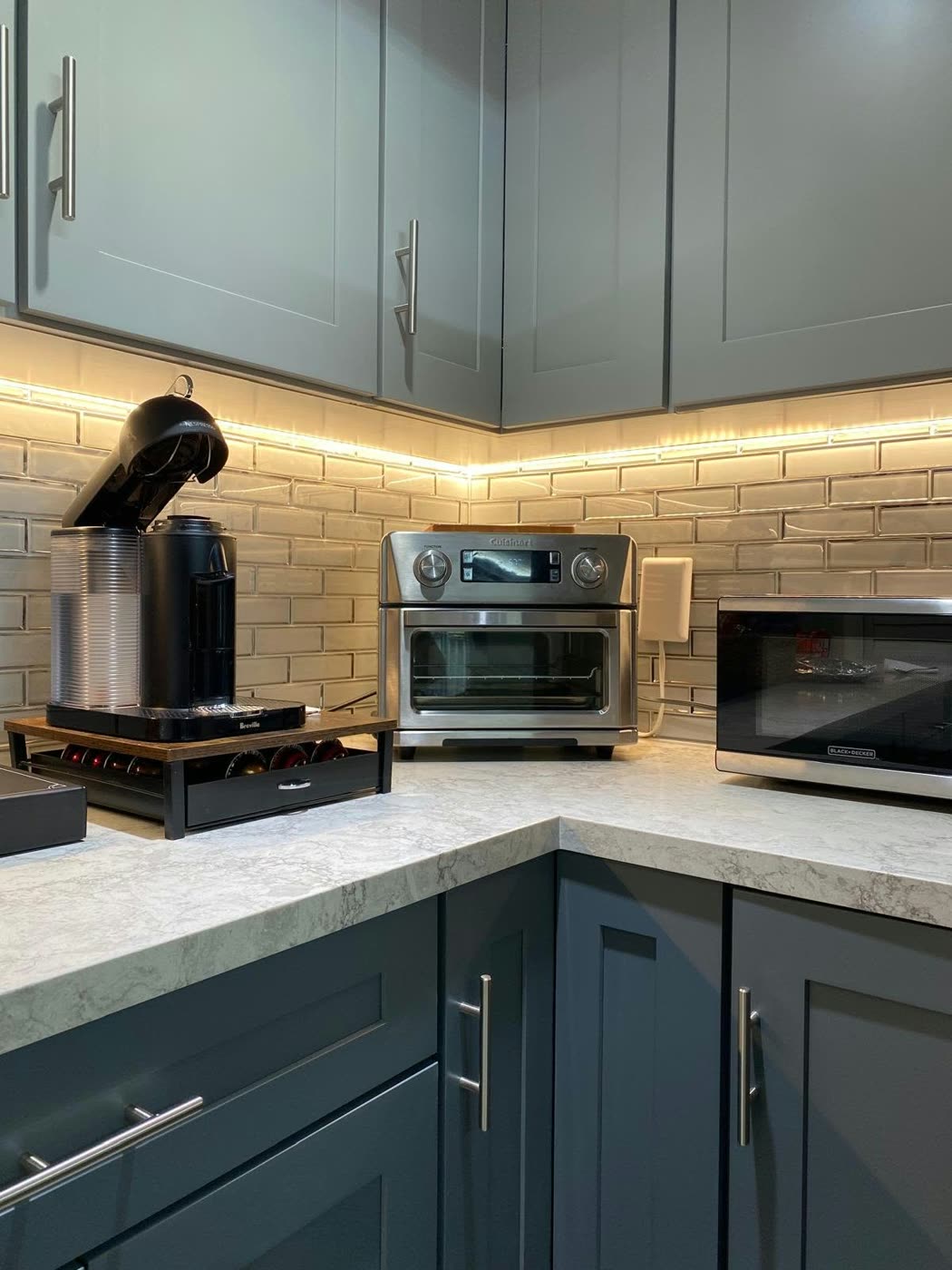
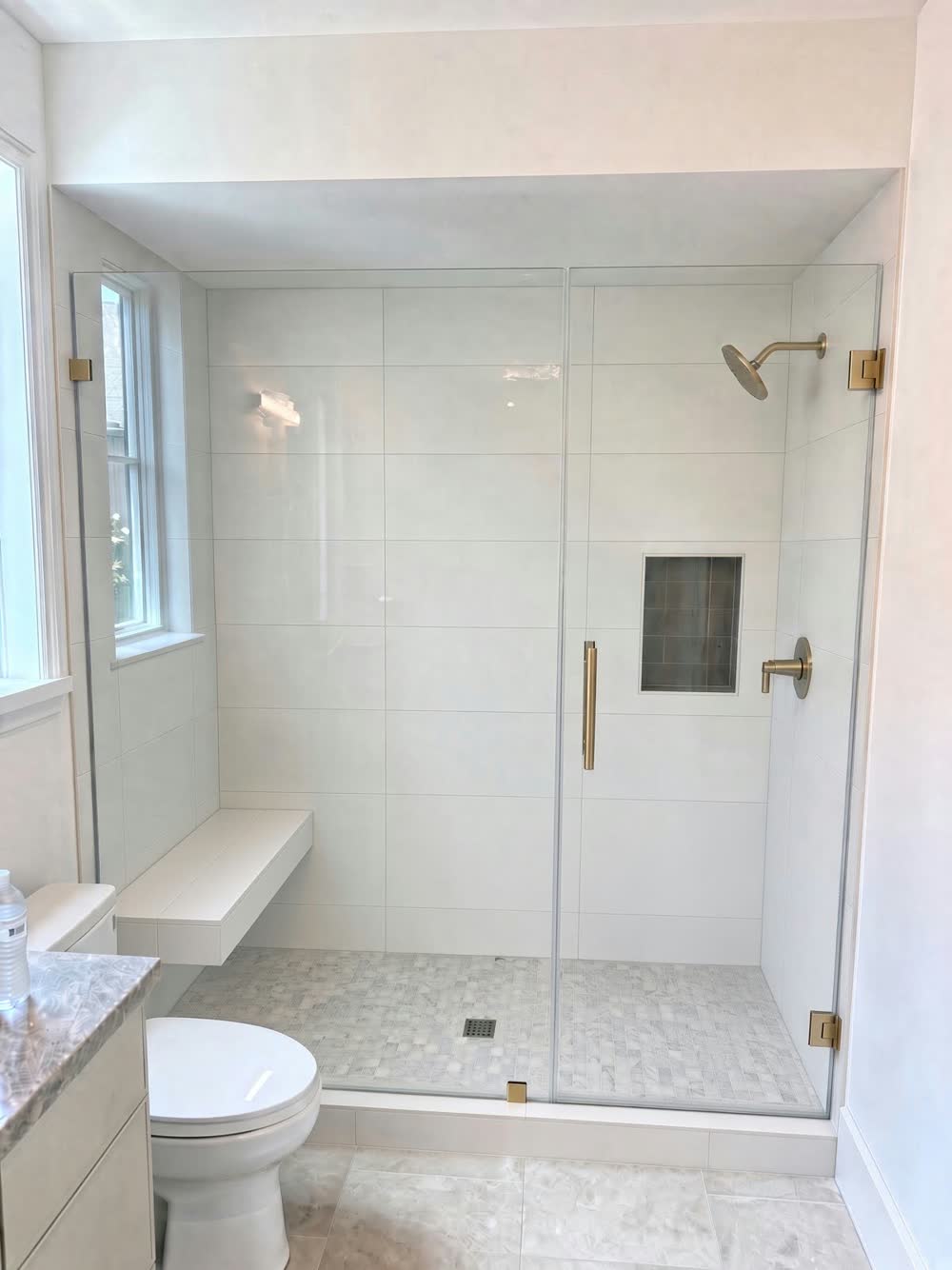
A kitchen or bathroom remodel in California isn't only about tile and cabinets. Once a permit is pulled, state energy and water rules come along for the ride, and they affect which lights, fans, toilets and faucets you can install. The good news: most of these rules point toward lower PG&E bills and less water use, habits many Bay Area households picked up during past droughts anyway.
Which code cycle applies to a remodel in 2026?
California's Building Energy Efficiency Standards (Title 24, Part 6, often called the Energy Code) are updated every three years by the California Energy Commission. The 2022 standards took effect January 1, 2023, and the 2025 standards took effect January 1, 2026. Water-efficiency rules come from CALGreen (Title 24, Part 11) and from the California Civil Code. Your city's building department applies the edition in force when your permit is filed, so confirm with the plan reviewer. For the permit process itself, see our San Jose remodel permit guide.
What lighting does Title 24 require in a remodeled kitchen or bath?
Under the residential mandatory lighting measures (Section 150.0(k)), installed luminaires and light sources must comply with Joint Appendix JA8, which in practice means certified, high-efficacy products. Key points for kitchens and baths:
- Recessed downlights may not have screw-base sockets, must carry a JA8 marking, and in insulated ceilings generally need an airtight, insulation-contact (ICAT) housing sealed at the ceiling.
- Bathrooms need at least one luminaire on a vacancy or occupancy sensor with automatic shut-off.
- Dimmers: lighting in habitable spaces needs accessible wall dimming controls unless an exception applies, such as using auto-off sensors.
- Under-cabinet lighting must be switched separately from the ceiling lights.
For remodels, only the work done under the permit has to meet these rules. Swapping a bulb doesn't trigger them, but altering lighting controls does.
What are the bathroom and kitchen ventilation rules?
CALGreen Section 4.506.1 calls for each bathroom fan to be ENERGY STAR rated and ducted to the outside, controlled by a humidity control (adjustable within a range of 50% or less up to 80%) or operating as part of a whole-house ventilation system. Bay Area building departments such as Menlo Park list these items on their bathroom remodel checklists, along with a minimum of 50 cfm for intermittent fans. Our bathroom ventilation and mold guide explains how to size and duct the fan. For kitchens, Section 150.0(o) of the Energy Code ties ventilation to ASHRAE Standard 62.2; state compliance forms require range hoods listed in the HVI or AHAM directory and meeting airflow or capture-efficiency targets based on home size and fuel type. How much of this a remodel triggers depends on scope, so it belongs in the plan review conversation.
What flow rates do new toilets, showers and faucets need?
| Item | Requirement | Source |
|---|---|---|
| Toilet (water closet) | 1.28 gallons per flush max | CALGreen 4.303.1 |
| Showerhead | 1.8 gpm at 80 psi max (combined, for multiple heads on one valve) | CALGreen 4.303.1 |
| Bathroom (lavatory) faucet | 1.2 gpm at 60 psi max | CALGreen 4.303.1 |
| Recessed downlights | JA8 marked, no screw base, ICAT in insulated ceilings | Energy Code 150.0(k) |
| Bathroom lighting | At least one luminaire on a vacancy/occupancy sensor | Energy Code 150.0(k) |
| Bathroom fan | ENERGY STAR, ducted outside, humidity control | CALGreen 4.506.1 |
What is the pre-1994 plumbing fixture rule?
Senate Bill 407 (2009) added Civil Code Sections 1101.1 and following. For homes built and available for use on or before January 1, 1994, a "noncompliant" fixture is a toilet using more than 1.6 gallons per flush, a showerhead over 2.5 gpm, or an interior faucet over 2.2 gpm. Since January 1, 2014, when a single-family home undergoes a permitted alteration or improvement, the applicant must replace noncompliant fixtures as a condition of final permit approval. Since 2017, sellers of single-family homes must also disclose these requirements. That covers a large share of Bay Area houses, so plan for it in your bathroom remodel plan and kitchen budget.
Are there local water rebates?
As of this update, Valley Water, which serves Santa Clara County, lists landscape, graywater and submeter rebates on its rebates page rather than indoor fixture rebates. A graywater system can pair well with a laundry or bath project. Program details change, so check your water agency's site before you buy.
Remodel compliance checklist
- Confirm which code edition applies when the permit is filed.
- Choose JA8-certified light sources and ICAT, non-screw-base downlights.
- Put at least one bathroom light on a vacancy sensor; plan dimmers and separate under-cabinet switching.
- Specify an ENERGY STAR bath fan with humidity control, ducted outdoors.
- Verify the range hood is HVI or AHAM listed and sized for your kitchen.
- Check every toilet, showerhead and faucet in a pre-1994 home against the noncompliant limits.
- Keep spec sheets handy for inspection.
How ProRock handles code compliance
ProRock Remodeling is a licensed general contractor (California CSLB #1154078) with more than 20 years in business, $1M general liability insurance and a 2-year workmanship warranty. We focus on kitchen and bathroom remodels from San Jose to South San Francisco, pull the permits and handle inspections. You can see finished kitchens and baths in our project gallery. Call (408) 991-4744 or request a free estimate.
Frequently asked questions
Do I have to replace old toilets when I remodel a California home?
If the house was built on or before January 1, 1994 and you do a permitted alteration, Civil Code Section 1101.4 requires replacing noncompliant fixtures, meaning toilets over 1.6 gallons per flush, showerheads over 2.5 gpm and interior faucets over 2.2 gpm, before final permit approval.
Does a remodeled bathroom need a vacancy sensor?
Yes. California's Energy Code residential lighting measures require at least one luminaire in each bathroom to be controlled by a vacancy or occupancy sensor with automatic shut-off, for lighting installed under the permit.
What bathroom exhaust fan is required in California?
CALGreen Section 4.506.1 calls for an ENERGY STAR fan ducted to the outside, controlled by a humidity control adjustable from 50% or less up to 80%, or working as part of a whole-house ventilation system. Some building departments, such as Menlo Park's, also list a 50 cfm minimum for intermittent fans.
Can I use regular screw-in LED bulbs in recessed kitchen lights?
No. Under the Energy Code, recessed downlights must not contain screw-base sockets and must be JA8 marked; in insulated ceilings they generally need an airtight, insulation-contact (ICAT) housing.
Which Title 24 version applies to my remodel in 2026?
The 2025 Building Energy Efficiency Standards took effect January 1, 2026, replacing the 2022 standards. The building department applies the edition in force when your permit is filed, so confirm with your plan reviewer.
Planning a remodel in the Bay Area?
ProRock Remodeling is a licensed general contractor (CSLB #1154078) working from San Jose to South San Francisco, with $1M liability coverage and a 2-year workmanship warranty. Call (408) 991-4744 or request a free estimate.
Sources
- California Energy Commission: Building Energy Efficiency Standards
- California Energy Commission: Energy Commission Adopts Updated Building Standards (Sept. 2024)
- SB 407 (2009), chaptered text: Civil Code 1101.1 et seq.
- City of Roseville: 2025 Code Residential Lighting Mandatory Measures
- City of Menlo Park: Bathroom remodel requirements
- City of Los Altos: 2022 CALGreen Residential Mandatory Measures
- California Energy Commission: CF3R-MCH-32-H Local Mechanical Exhaust (2022)
- Valley Water: Rebates and surveys