
Tub-to-Shower Conversion in the Bay Area: Code Rules, Permits and Resale
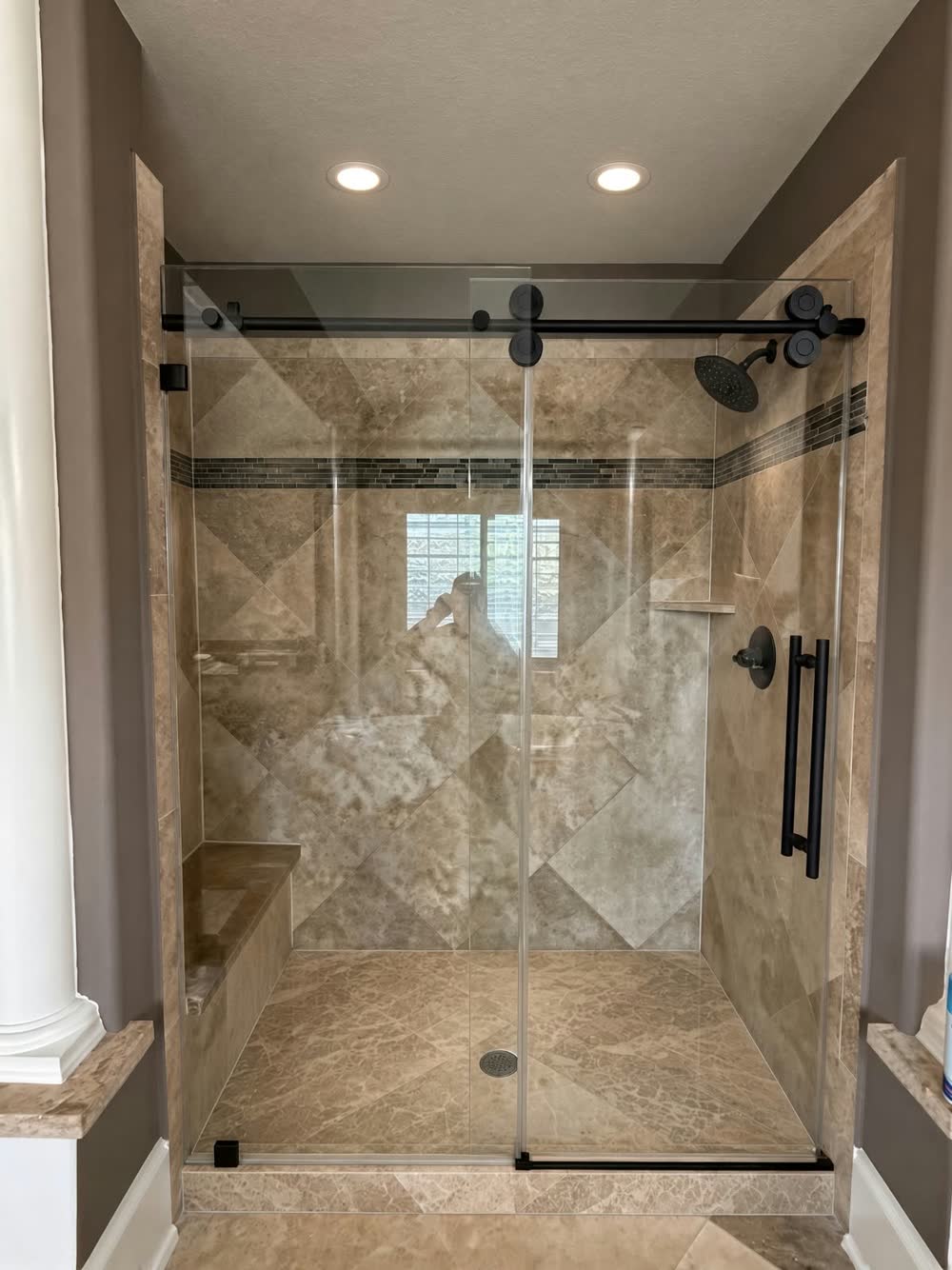
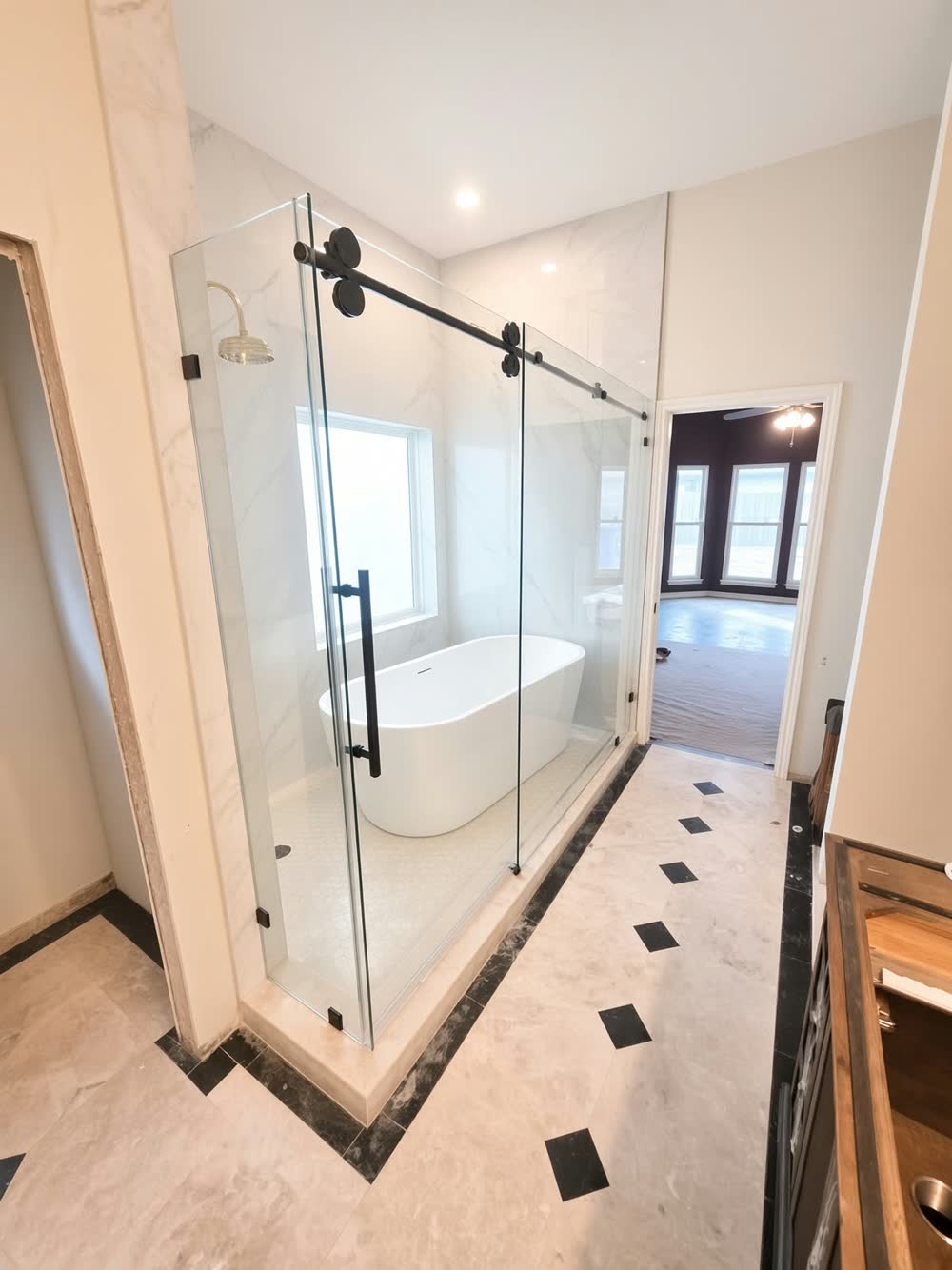
Can you convert a bathtub to a walk-in shower?
Usually, yes. Swapping a tub for a shower is one of the most common bathroom projects in the Bay Area, from Sunnyvale ranch homes to San Francisco flats. The existing tub alcove often has room, and the drain is already in the general neighborhood.
The catch is that a shower has its own code rules, and a shower is far less forgiving of shortcuts than a tub. The tub was a one-piece waterproof box. A tiled shower relies on the waterproofing behind and below the tile.
What does California code require for a new shower?
The 2025 California codes took effect on January 1, 2026. City handouts from Cupertino and Foster City summarize the points that matter most for a tub-to-shower swap:
| Item | Typical requirement |
|---|---|
| Shower size | At least 1,024 square inches of finished interior, able to fit a 30-inch circle |
| Door or opening | At least 22 inches of clear opening |
| Valve | Pressure-balance, thermostatic or combination valve with scald and thermal-shock protection, limited to 120°F |
| Showerhead | No more than 1.8 gallons per minute |
| Wall surfaces | Nonabsorbent finish over a moisture-resistant backer such as cement, fiber-cement or glass-mat gypsum board, to at least 6 feet (72 inches) above the drain |
| Shower pan | Sloped toward the drain between 1/4 and 1/2 inch per foot; site-built pans water-tested before they are covered |
| Glass | Safety glazing (tempered or laminated) for glass doors and partitions, and for windows in walls facing the shower within 60 inches above the standing surface |
A quick size check: a 60-by-30-inch space works out to 1,800 square inches, comfortably over the minimum. Narrow or oddly shaped alcoves are where the 30-inch circle rule bites.
The 120°F limit matters more than people think. Your water heater thermostat can't serve as the limit, so the valve itself has to do the job. Karl the Fog can still make you want a long hot shower in July. The valve just keeps it from becoming a scalding one.
Exhaust fans, GFCI-protected outlets and other bathroom rules also apply. Foster City, for example, calls for an ENERGY STAR fan with humidity control. Our bathroom remodel planning guide covers the rest of the room.
What about a curbless, zero-threshold shower?
Curbless showers look clean and are easier to step into, but they take more planning. Albany's published curbless shower guidelines show what a building department may look for:
- A finished threshold no more than 1/2 inch above the bathroom floor
- A watertight liner extending at least 12 inches past the threshold into the bathroom
- The drain inlet at least 2 inches below the top of the finished threshold
- Floor framing designed for a 40 psf live load
Getting that drop usually means recessing the subfloor, which can involve cutting or reinforcing joists. That turns a simple swap into structural work, so expect plans. Rules vary, so check with your city before you design around a curbless floor.
Do you need a permit for a tub-to-shower conversion?
In most Bay Area cities, yes, because the work replaces a plumbing fixture and valve. How involved the permit is depends on scope and city:
- San José says a minor remodel that replaces fixtures in the same locations, without structural changes, may qualify for an online permit. Moving fixtures or modifying framing makes it a major remodel with plan review. See our San Jose permit guide.
- San Francisco says you need a permit before renovating and replacing bath fixtures. No-plan work in non-historic one- and two-family buildings can be permitted online by a registered licensed contractor.
- Cupertino and Foster City publish bathroom remodel handouts listing what plans should show.
Expect an inspection before the walls close and a final at the end. The pan water test is the rare moment when standing water in a bathroom is good news.
Will removing the tub hurt resale?
It depends on the house. A commonly cited rule of thumb is to keep at least one tub in the home. In a 2018 REALTOR® Magazine article from the National Association of REALTORS®, several designers and agents gave that advice, pointing to families with young children and to larger homes with several bathrooms. Others noted that homes without a tub still sell, especially when the bathrooms are small or the showers are especially nice.
A practical approach:
- If this is your only tub and you may sell to a young family, think twice.
- If another bathroom keeps a tub, converting the primary bath is a common choice.
- If you're planning to stay for the long haul, a walk-in shower is often part of aging-in-place planning.
For budgeting, see our Bay Area bathroom remodel cost guide.
Working with ProRock in the Bay Area
ProRock Remodeling is a licensed general contractor (California CSLB #1154078) with more than 20 years in business, $1M in general liability insurance and a 2-year workmanship warranty. We focus on kitchen and bathroom remodels, and also handle whole-home remodels, ADUs, design and permits for homeowners from San Jose to San Francisco. Call (408) 991-4744 or request a free estimate.
Frequently asked questions
How big does a shower have to be in California?
Bay Area city handouts based on the California Plumbing Code require at least 1,024 square inches of finished interior area that can fit a 30-inch circle, with an opening of at least 22 inches clear.
Do I need a permit to replace a tub with a shower?
In most Bay Area cities, yes, because it replaces a plumbing fixture and valve. San José says same-location fixture replacements without structural changes may qualify for an online permit, while San Francisco requires a permit before replacing bath fixtures.
Does a new shower need an anti-scald valve?
Yes. Shower valves must be pressure-balance, thermostatic or combination valves that provide scald and thermal-shock protection, limited to 120°F. The water heater thermostat can't be used as the limit.
Do glass shower doors have to be tempered?
Glass shower doors and partitions need safety glazing, meaning tempered or laminated glass. Windows in walls facing the shower within 60 inches above the standing surface typically need it too.
Should I keep at least one bathtub for resale?
It's commonly cited advice, and designers and agents quoted by the National Association of REALTORS® often recommend it, especially for family buyers. Homes without a tub still sell, so weigh your plans and the rest of the house.
Planning a remodel in the Bay Area?
ProRock Remodeling is a licensed general contractor (CSLB #1154078) working from San Jose to San Francisco, with $1M liability coverage and a 2-year workmanship warranty. Call (408) 991-4744 or request a free estimate.
Sources
- City of Cupertino: Bathroom remodel handout, 2025 codes (PDF)
- City of Foster City: IB-03 Residential Bathroom Remodel (PDF)
- City of Albany: Residential curbless shower guidelines (PDF)
- City of San José: Kitchen and bathroom minor remodels
- SF.gov: Apply for a kitchen or bath remodel permit
- NAR REALTOR® Magazine: Just how important is a bathtub for resale? (2018)