
Engineered Stone Countertops in California: Silicosis Rules, Law vs. Proposals
Why is engineered stone in the news?
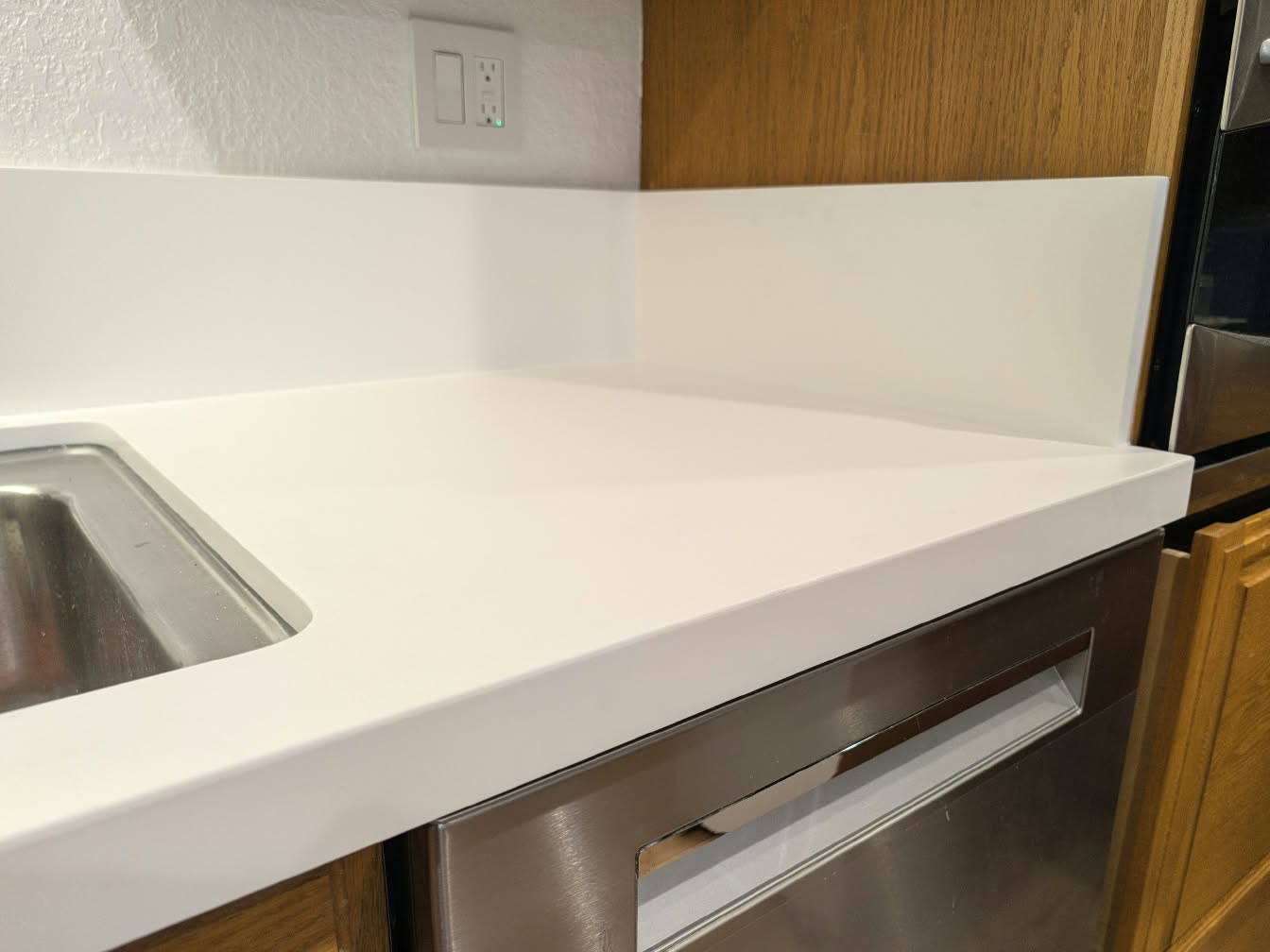
Engineered stone, often sold as "quartz," is a manufactured, quartz-based slab. According to the CDC, it can contain more than 90% crystalline silica, compared with less than 45% in granite. When slabs are cut, ground or polished, they release fine silica dust. Breathing that dust can cause silicosis, which California's Department of Industrial Relations calls a progressive and incurable lung disease.
California has been hit hard. In December 2024, DIR reported that more than 230 California workers had developed silicosis since 2019, according to the California Department of Public Health, and 14 had died.
What does the law require today?
Two things are already in force. It helps to keep them separate from the proposals further down.
Cal/OSHA's silica standard (Title 8, Section 5204)
Cal/OSHA adopted an emergency silica standard that took effect December 29, 2023. The Standards Board voted in December 2024 to make it permanent, and DIR describes the permanent standard as adopted in early 2025. The rule covers "high-exposure trigger tasks," such as cutting, grinding and polishing artificial stone with more than 0.1% crystalline silica, and natural stone with more than 10%. Its definition of artificial stone includes engineered stone, quartz and porcelain. Key requirements include:
- Effective wet methods during cutting and other trigger tasks
- No compressed air and no dry sweeping or dry cleanup of silica dust
- Regulated work areas and full-face powered air-purifying respirators
- Free medical surveillance for exposed workers, and reporting of confirmed silicosis cases to CDPH and Cal/OSHA
SB 20, the STOP Act (signed October 2025)
Governor Newsom signed Senate Bill 20, the Silicosis Training, Outreach and Prevention Act, on October 13, 2025. According to the author's office and DIR, it prohibits dry cutting of stone countertops, requires employers to certify to Cal/OSHA that their workers are properly trained, directs CDPH outreach to affected workers, classifies silicosis as a serious illness for Cal/OSHA enforcement, and requires Cal/OSHA and CDPH to share case information.
Is engineered stone banned in California?
No, not as of October 2026. A ban has been proposed, but it is not law. Here's where things stand:
| Measure | Status |
|---|---|
| Cal/OSHA silica standard, Section 5204 | In force (emergency rule Dec. 2023, made permanent 2024-2025) |
| SB 20, STOP Act | Law (signed Oct. 13, 2025) |
| Petition 609: prohibit fabricating and installing artificial stone with more than 1% crystalline silica | Proposed. Standards Board granted the petition in part on May 21, 2026 and asked Cal/OSHA to start emergency rulemaking |
| Cal/OSHA draft new Section 5204.1 | Discussion draft only. Advisory meetings held July 31 and Sept. 16, 2026; comments were due Sept. 30, 2026 |
A final rule could change what fabricators can work with, so if your remodel is months away, ask your contractor to check the status before you order a slab.
How should I choose between quartz, natural stone and porcelain?
Countertop debates in Bay Area households can outlast a Caltrain delay. Here is the silica side of the decision:
- Engineered quartz. Still legal to buy and install. It has the highest silica content of the three, and engineered stone is the main focus of the proposed prohibition on artificial stone above 1% silica.
- Natural stone (granite, quartzite and others). Silica content varies by stone. Granite is generally well below engineered stone, but stone over 10% silica still falls under Cal/OSHA's trigger-task controls.
- Porcelain slabs. Porcelain is named in the standard's definition of artificial stone, so the same wet-cutting and dust rules apply when it exceeds the silica threshold. Check how any final rule treats it.
No stone slab is dust-free to fabricate. The bigger question is whether the shop doing the work follows the rules. Durability, look and budget still matter too; you can see finished counters in our project gallery, and see our kitchen remodel cost guide for how countertops fit into the total.
What should I ask my fabricator and contractor?
- Is all cutting, grinding and polishing done wet, as Section 5204 and SB 20 require?
- How much cutting happens in my home, and how will dust be controlled and cleaned up (wet methods or HEPA vacuum, never a broom or air hose)?
- Has the shop completed SB 20's training certification to Cal/OSHA?
- If I choose quartz, can you confirm the product will still be available when we install?
It's also worth confirming your general contractor's license and insurance; here's how to check a California license. Planning a full kitchen? Our guide to switching from gas to induction covers another big decision.
Working with ProRock in California
ProRock Remodeling is a licensed general contractor (California CSLB #1154078) with more than 20 years in business, $1M general liability insurance and a 2-year workmanship warranty. We focus on kitchen and bathroom remodels, and also handle whole-home remodels, ADUs, design and permits, serving homeowners from San Jose to South San Francisco. Call (408) 991-4744 or request a free estimate.
Frequently asked questions
Are quartz countertops banned in California?
No. As of October 2026, engineered quartz is legal to buy and install. Cal/OSHA's Standards Board began a rulemaking in May 2026 to prohibit fabricating and installing artificial stone with more than 1% crystalline silica, but no final rule has been adopted.
What is California's STOP Act?
SB 20, signed October 13, 2025, prohibits dry cutting of stone countertops, requires employers to certify worker training to Cal/OSHA, and classifies silicosis as a serious illness for enforcement purposes.
Does Cal/OSHA's silica rule apply to porcelain and granite?
Yes, in part. The standard's definition of artificial stone includes porcelain above 0.1% crystalline silica, and natural stone above 10% silica is also covered for cutting, grinding and polishing.
How much silica is in engineered stone compared with granite?
The CDC reports engineered stone can contain more than 90% crystalline silica, compared with less than 45% in granite.
What should I ask a countertop fabricator?
Ask whether all cutting is done wet, how dust is cleaned up (wet methods or HEPA vacuum, not sweeping or compressed air), how much cutting happens on site, and whether the shop has certified its worker training to Cal/OSHA.
Planning a remodel in the Bay Area?
ProRock Remodeling is a licensed general contractor (CSLB #1154078) working from San Jose to South San Francisco, with $1M liability coverage and a 2-year workmanship warranty. Call (408) 991-4744 or request a free estimate.
Sources
- CDC MMWR: Severe Silicosis in Engineered Stone Fabrication Workers
- DIR: Standards Board adopts permanent silica standard (Dec. 2024)
- Cal/OSHA Standards Board: Respirable crystalline silica emergency regulation text (PDF)
- DIR: Standards Board Advances Efforts to Protect Workers from Silicosis (May 2026)
- Cal/OSHA: Emergency Silica Advisory Committee (2026)
- Office of Sen. Caroline Menjivar: Governor signs SB 20 (Spanish)