
Remodeling a Bay Area Condo or Townhouse: HOA Approval, CC&Rs and Permits
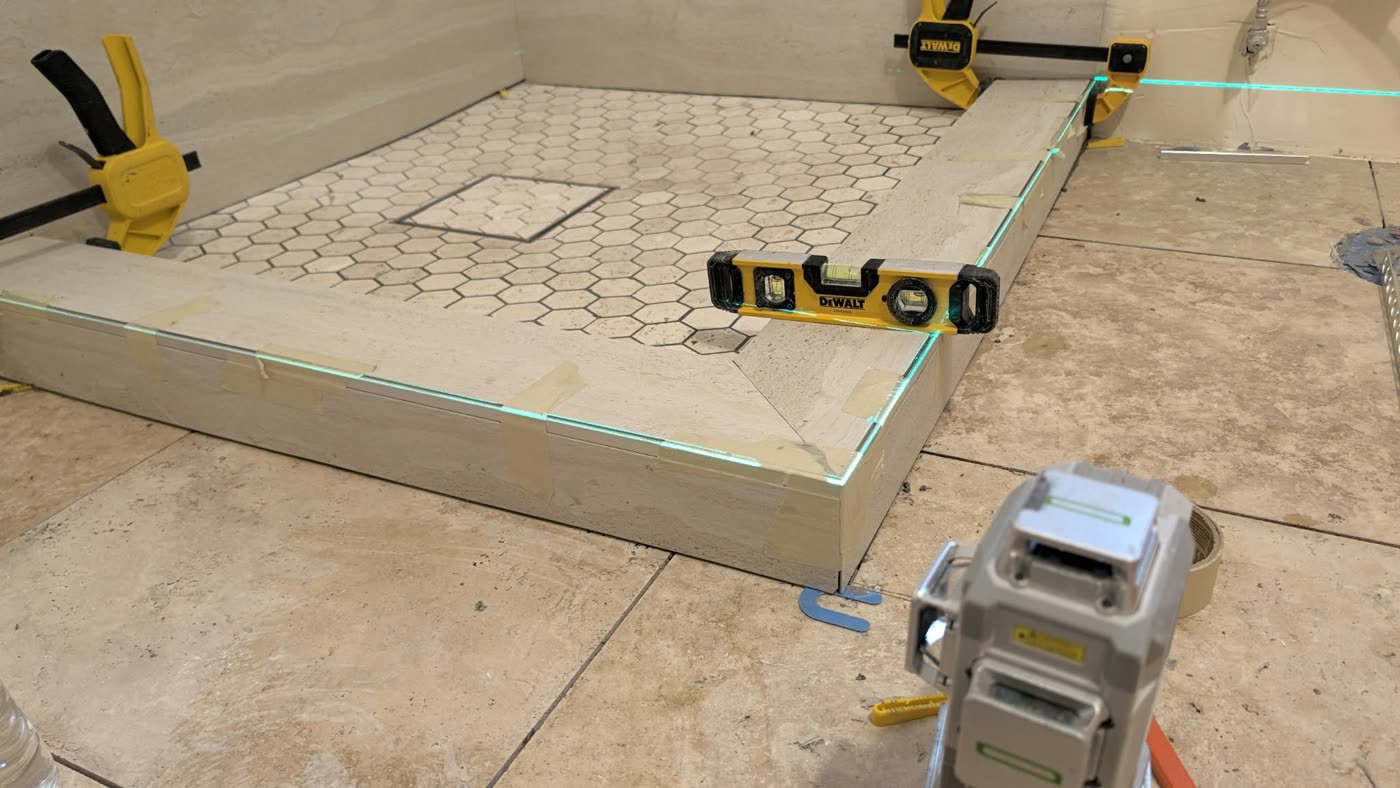
Do you need HOA approval to remodel a condo kitchen or bathroom?
Usually, yes, for anything beyond paint and new cabinet pulls. Most Bay Area condos and townhouses are governed by California's Davis-Stirling Common Interest Development Act plus the association's own CC&Rs and architectural rules.
California Civil Code 4760 lets an owner make improvements or alterations within the boundaries of their own unit, but only "subject to the governing documents and applicable law," and only if the work doesn't impair the building's structural integrity or mechanical systems or reduce support for other parts of the development. Changes to exterior appearance also have to follow the governing documents. So read your CC&Rs and architectural guidelines before you fall in love with a tile sample.
What does California law say about how the HOA must decide?
When the governing documents require approval for a physical change, Civil Code 4765 sets ground rules for the process:
- The association must have a fair, reasonable and expeditious procedure, written into its governing documents, including a maximum time to respond.
- Decisions must be made in good faith and can't be unreasonable, arbitrary or capricious.
- A decision can't violate the law, even if the governing documents say otherwise.
- Decisions must be in writing. A denial has to explain why and describe how to request reconsideration.
- If a committee denies your request, you're generally entitled to reconsideration by the board at an open board meeting.
Associations must also send members a yearly notice of which changes need approval, according to the Davis-Stirling Act. Waiting on a committee can feel slower than Highway 101 at 5 p.m., so submit early and submit a complete package.
What usually needs approval in a condo remodel?
Every association differs, but these items commonly trigger review, from mid-rise condo buildings to Santa Clara townhouse complexes:
| Remodel item | Why the HOA cares | What to prepare |
|---|---|---|
| Moving plumbing, drains or gas lines | Shared lines and units stacked below | Scope description, plumbing layout, shutoff plan |
| Removing or opening walls | Structural and mechanical systems (Civil Code 4760) | Drawings; an engineer's input if a wall may be structural |
| Hard flooring (tile, wood, vinyl plank) | Impact noise for neighbors below | Flooring and underlayment specs with sound ratings |
| Windows, vents and anything visible outside | Exterior appearance and common area | Product details that match association standards |
| Contractor access to the building | Common-area use, damage and liability | License number, insurance certificate, schedule |
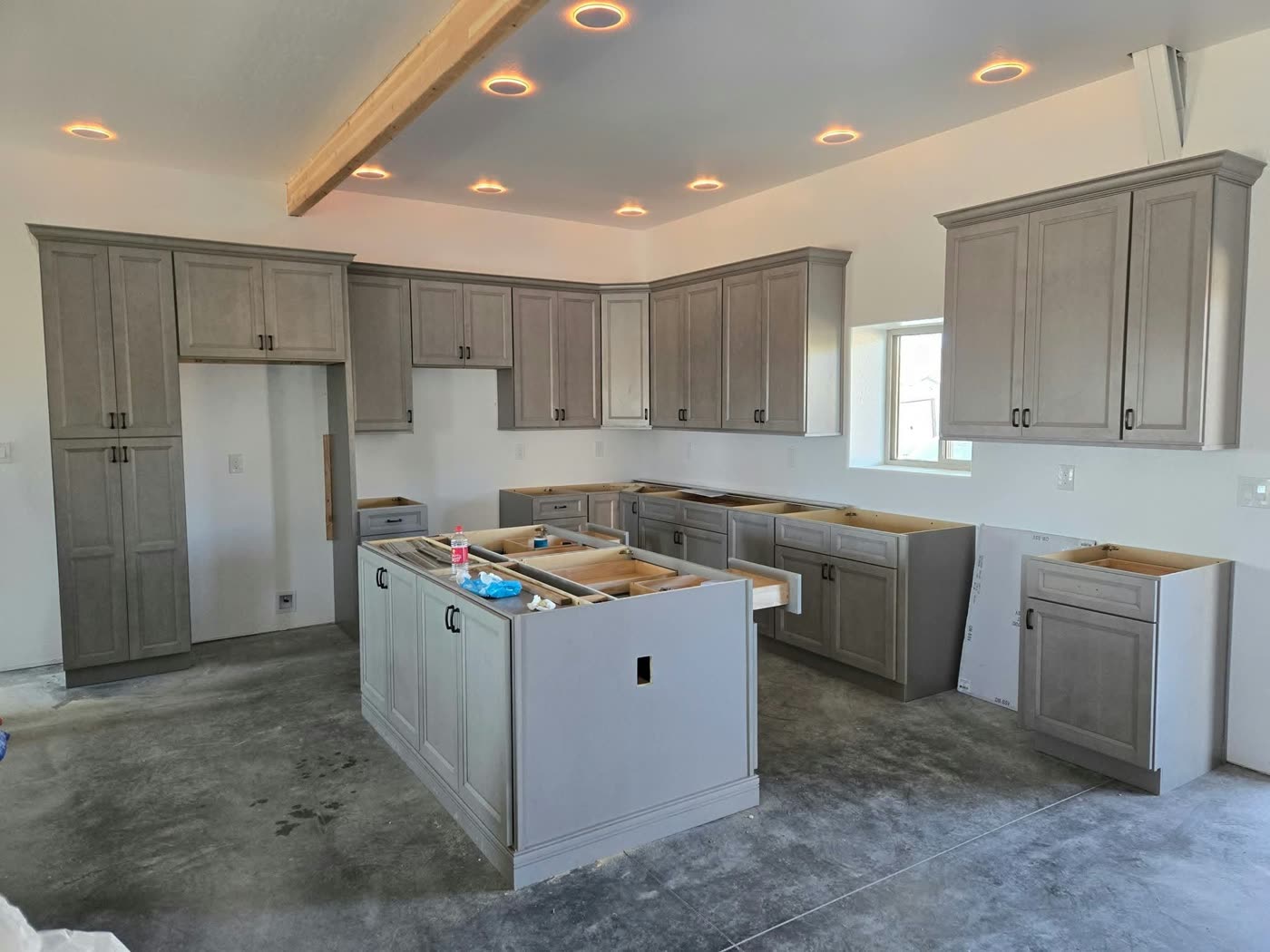
What insurance and contractor paperwork will the HOA ask for?
Expect to hand over your contractor's license number and proof of insurance before anyone carries a cabinet through the lobby. For contractors working in or on common areas, the HOA law firm behind Davis-Stirling.com advises associations to require general liability and workers' compensation coverage, to be named as an additional insured, and to watch for policies that exclude condo or multi-unit work. Ask for your association's exact requirements in writing.
Check the license yourself with our guide to verifying a California contractor license.
Are there rules about flooring noise and work hours?
Hard flooring is one of the most common condo disputes. For floor-ceiling assemblies between dwelling units, the California Building Code (Section 1206) sets a minimum sound transmission class (STC) and impact insulation class (IIC) of 50 in lab testing, with a field-tested alternative of 45. Many associations ask for more. Davis-Stirling.com notes that many adopt a field-tested minimum of 52 or 55 for hard surfaces, and that a city permit never overrides a CC&R restriction. In one case it describes, an owner who installed hardwood without approval was ordered to cover more than 80% of the floors with rugs.
Work hours usually come from your HOA's rules, and your city's noise ordinance applies too, so follow whichever is stricter. Also ask about elevator reservations, truck parking and water shutoffs that affect neighbors.
Do you still need a city permit if the HOA approves?
Yes. HOA approval and city permits are separate. San Francisco, for example, says you need a permit before renovating and replacing kitchen or bath fixtures, and its online permit option is limited to non-historic R-3 (one- and two-family) buildings, so many condo buildings go through over-the-counter or in-house review instead. Rules differ from city to city, so check with your building department. See our guides to San Francisco remodel permits and San Jose remodel permits.
How do you keep a condo remodel on track?
- Read your CC&Rs, architectural guidelines and any remodel rules.
- Submit a complete package: scope, drawings, flooring specs, contractor license and insurance. Photos of similar finished work, like those in our project gallery, can help a committee picture the result.
- Get approval in writing before ordering materials, and put the agreed scope in your contract (see our guide to California home improvement contracts).
- Pull city permits.
- Give your neighbors a heads-up. A friendly note under the door goes a long way when the tile saw starts.
Working with ProRock in the Bay Area
ProRock Remodeling is a licensed California general contractor (CSLB #1154078) with more than 20 years in business, $1M general liability insurance and a 2-year workmanship warranty. We focus on kitchen and bathroom remodels and also handle design and permits for homeowners from San Jose to South San Francisco. Call (408) 991-4744 or request a free estimate.
Frequently asked questions
Can my HOA stop me from remodeling my condo kitchen?
An HOA can require approval and set standards through its governing documents, and Civil Code 4760 makes an owner's right to alter the unit subject to those documents. But under Civil Code 4765, decisions must be made in good faith, can't be arbitrary and must be in writing.
What if my HOA denies my remodel request?
A denial must be in writing, explain the reason and describe how to ask for reconsideration. If a committee made the decision, you're generally entitled to reconsideration by the board at an open meeting.
Does a city permit override my HOA's rules?
No. A building permit shows code compliance, but it doesn't override CC&R restrictions. You typically need both HOA approval and a city permit for a kitchen or bath remodel.
What sound rating do I need for new condo flooring?
The California Building Code sets STC and IIC 50 (lab tested) for floor-ceiling assemblies between units, and many associations set their own, often higher, field-tested minimums. Check your HOA's flooring rules before choosing products.
What will my HOA want from my contractor?
Associations commonly ask for the contractor's license number and a certificate of insurance, and some want to be named as an additional insured. Ask your manager for the exact requirements in writing before work starts.
Planning a remodel in the Bay Area?
ProRock Remodeling is a licensed general contractor (CSLB #1154078) working from San Jose to South San Francisco, with $1M liability coverage and a 2-year workmanship warranty. Call (408) 991-4744 or request a free estimate.
Sources
- California Civil Code 4760 (California Public Law)
- California Civil Code 4765 (California Public Law)
- Davis-Stirling.com: Hardwood Floors in Condos
- Davis-Stirling.com: Contractor Insurance
- ICC: 2025 California Building Code, Chapter 12 Interior Environment
- SF.gov: Apply for a kitchen or bath remodel permit